
Introduction
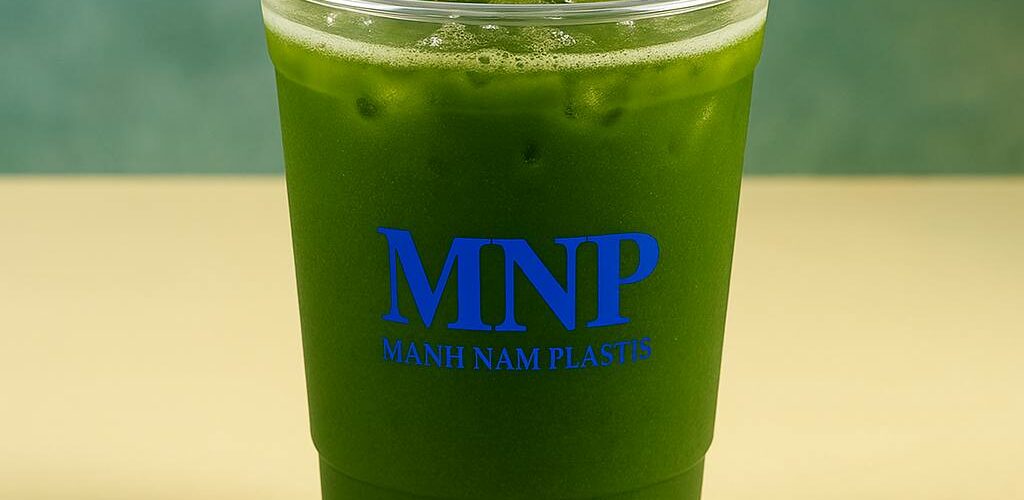
Plastic cups have become an indispensable item in modern life, especially in the beverage and F&B industry. With the ability to hold both hot and cold drinks and a convenient take-away design, plastic cups help users save time while maintaining a quality experience. For coffee shop owners, retailers, and individual consumers, plastic cups offer optimal flexibility — from delivery via apps to use in picnics, parties, or daily activities. In the context of increasing emphasis on customer experience, plastic cups also serve as an effective branding tool, allowing logos, slogans, or QR codes to be printed. This helps enhance brand recognition. The following sections explore the uses, advantages, purchasing tips, and applications of disposable plastic cups — helping you understand why this product is increasingly popular.2. Common Uses of Plastic Cups
2.1 Personal and Family Use
- Take-away: Plastic cups are the preferred choice for coffee and milk tea on the go due to their lightweight, sealable design, and ease of transport.
- Home parties/picnics: Serve as an alternative to ceramic cups, reducing cleanup time.
- DIY & Creativity: Many people use plastic cups for mini plant pots, handmade souvenirs, or organizing office supplies.
2.2 Applications in F&B Businesses
- Coffee & Milk Tea Shops: Disposable plastic cups allow fast service, saving labor and cleaning time.
- Delivery: Secure lid designs prevent spills during shipping.
- Buffet Restaurants: Using disposable cups reduces equipment costs and enhances customer experience.
Event and Hospitality Industry
- Weddings, conferences, seminars: Easy to prepare in large quantities and maintain uniform design.
- Outdoor catering/events: Plastic cups prevent breakage, are easy to collect, and ensure hygiene.
- Bars and lounges: Premium thick plastic cups prevent spills and increase safety.
Education and Extracurricular Activities
- Schools and skill centers: Used to hold water or small items during group activities.
- Summer camps/experiential classes: Children often use plastic cups for creative activities, safer than glass cups.
- STEAM educational models: Many DIY classes use plastic cups for engineering models, encouraging reuse and creativity.
Industrial and Manufacturing Use
- Sampling liquids (water, glue, paint).
- Sorting small materials during assembly.
- Temporary tools in primary production lines.
Office Use
- Used in meeting rooms, guest areas, and pantry spaces.
- Saves time compared to glass or ceramic cups.
- Some businesses print logos on plastic cups for meetings or conferences to reinforce brand identity.
3. Key Advantages of Plastic Cups
3.1 Lightweight & Easy to Transport
- Plastic cups weigh only a few dozen grams, convenient to carry and store in bulk.
- Take-away cups can be handled with one hand, keeping beverages intact.
3.2 Affordable & Wholesale Availability
- Competitive wholesale prices: Lower than ceramic or glass cups, suitable for bulk purchases.
- Varied supply: Many Vietnamese manufacturers offer custom logo printing services on plastic cups.
3.3 Versatile Designs
- Plastic cups can be designed with various lids: bolt, dome, or lock types.
- Logos, slogans, and QR codes can be printed directly to enhance brand recognition.
3.4 Hygiene & Efficiency
- No need to wash after each use, reducing labor and water costs.
- Simple use-and-dispose process improves service speed.
3.5 Multi-purpose Use
- Suitable for hot drinks (coffee, tea) and cold drinks (juice, milk tea).
- Available in heat-resistant or thick versions to meet diverse needs.
4. Plastic Cup Classification by Use
4.1 Disposable Plastic Cups
- Advantages: Affordable, convenient, no washing required.
- Applications: Events, conferences, busy beverage shops.
4.2 Thick – Reusable Plastic Cups
- Used for hot/cold drinks, durable and sturdy.
- Suitable for long-term business, reduces waste.
4.3 Take-away Plastic Cups
- Sealed lids, straw-ready, protects beverages.
- Ideal for delivery or frequent transport.
4.4 Selection Criteria
- Capacity: 200ml – 1000ml
- Type of lid: bolt, dome, lock
- Material: PET, PP, PS (food safe)
- Wholesale cups: Choose according to budget, ease of printing, and fast delivery.
5. Tips for Choosing Plastic Cups
5.1 Define Purpose
- Personal use: Choose simple, affordable cups.
- For shops: Prioritize cups with various capacities and logo printing.
- For events/conferences: Use disposable cups for easy collection.
- Don’t forget take-away cups if serving drinks on the go — choose ones with convenient lids and straws.
5.2 Choose Food-safe Materials
- PET: Transparent, lightweight, suitable for cold drinks.
- PP: Heat-resistant, suitable for hot drinks.
- Always prioritize products with safety certifications and clear origin.
5.3 Select a Reliable Supplier
- Choose trustworthy wholesale suppliers to ensure consistent quality, accurate logo printing, and durable ink.
- Consider after-sales policies and fast delivery.
5.4 Environmental & Recycling Factors
- For a green brand, consider biodegradable plastic cups or participate in cup recycling programs.
- This adds a significant advantage for attracting eco-conscious customers.